Hello, welcome to the official website of BolaiKong Technology (Wuxi) Co., Ltd.!










Hello, welcome to the official website of BolaiKong Technology (Wuxi) Co., Ltd.!
Addressing common technical and operational questions regarding valve selection, installation, and maintenance
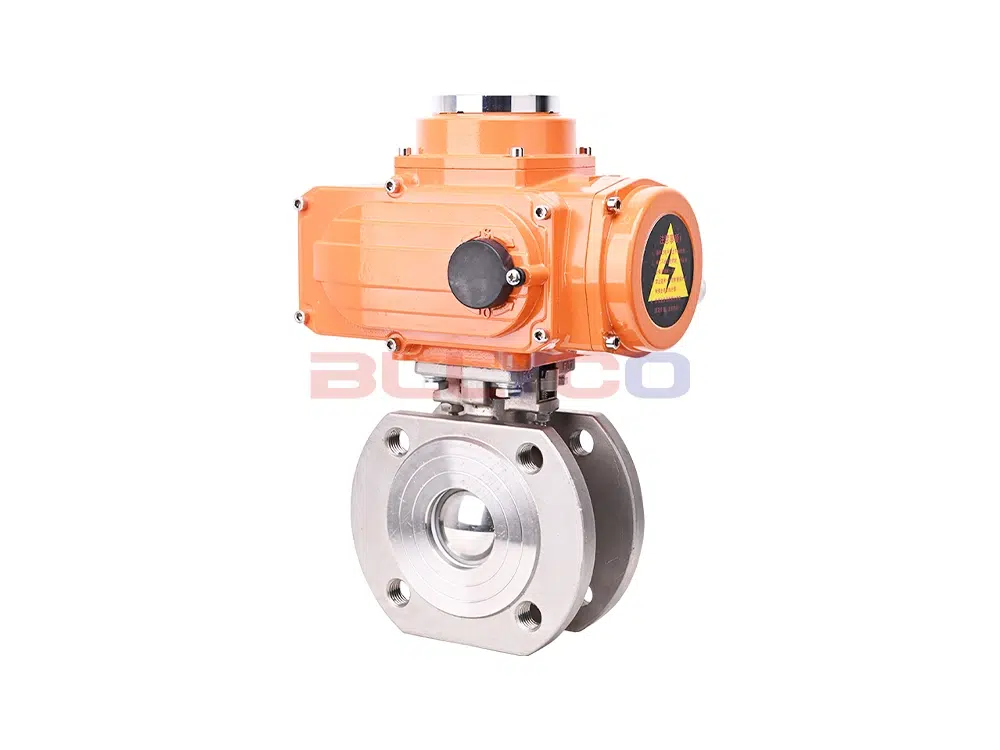
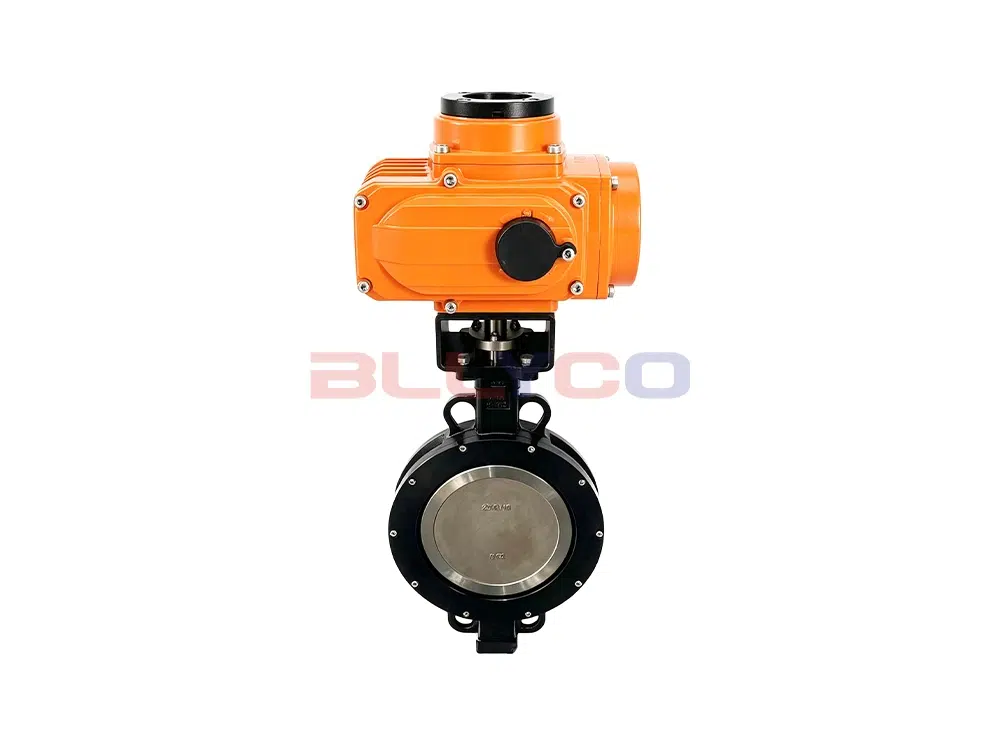
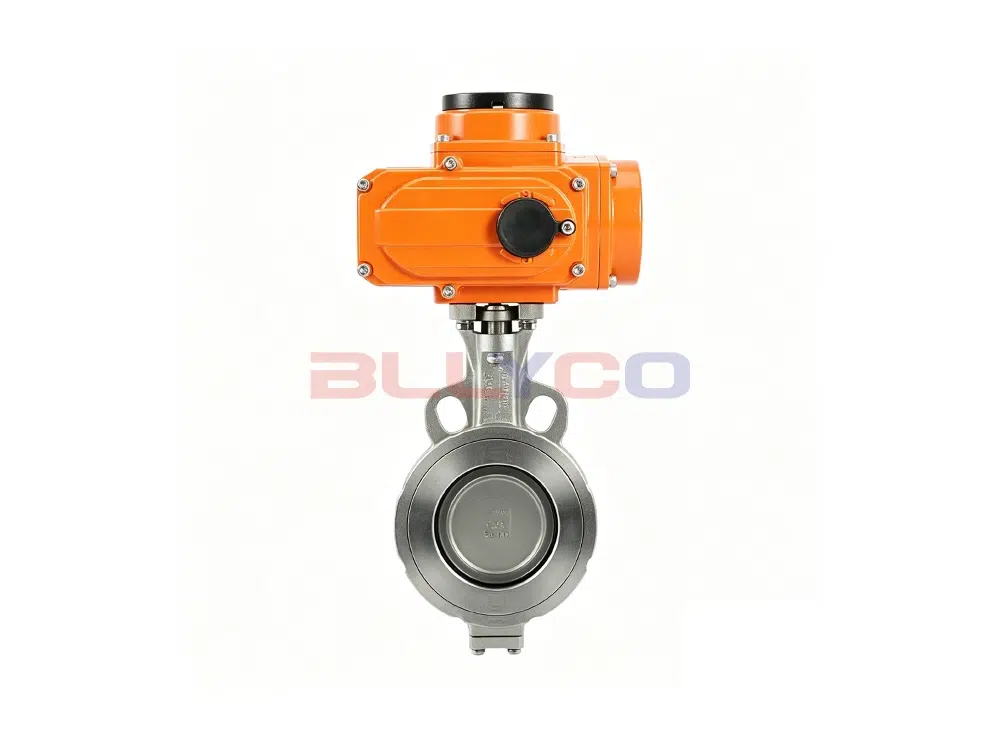
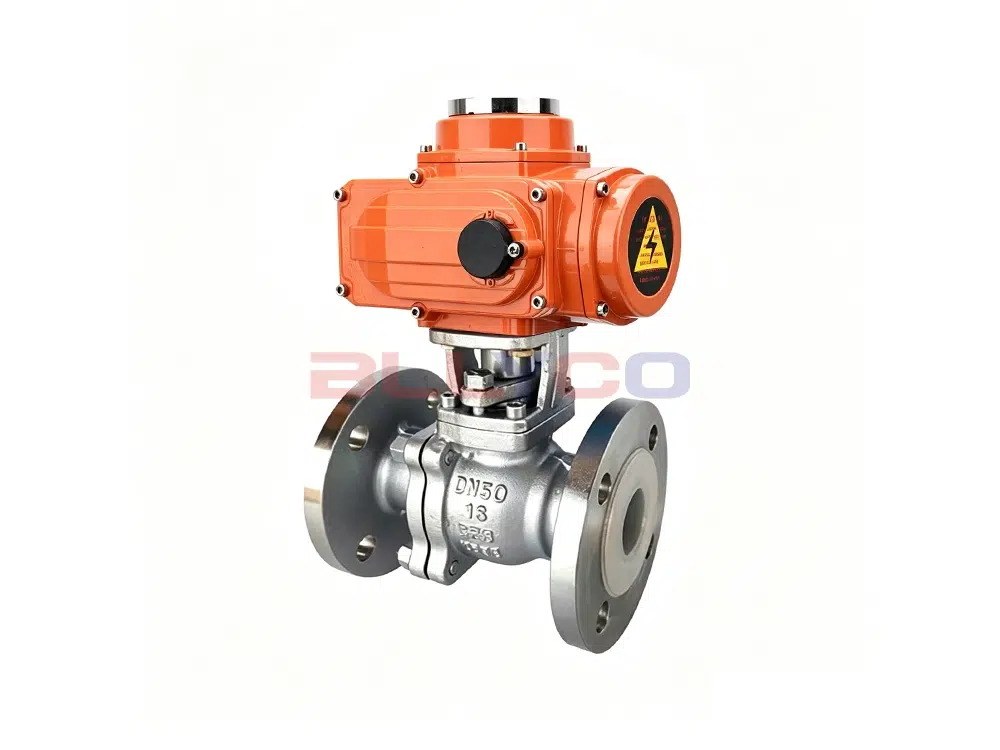
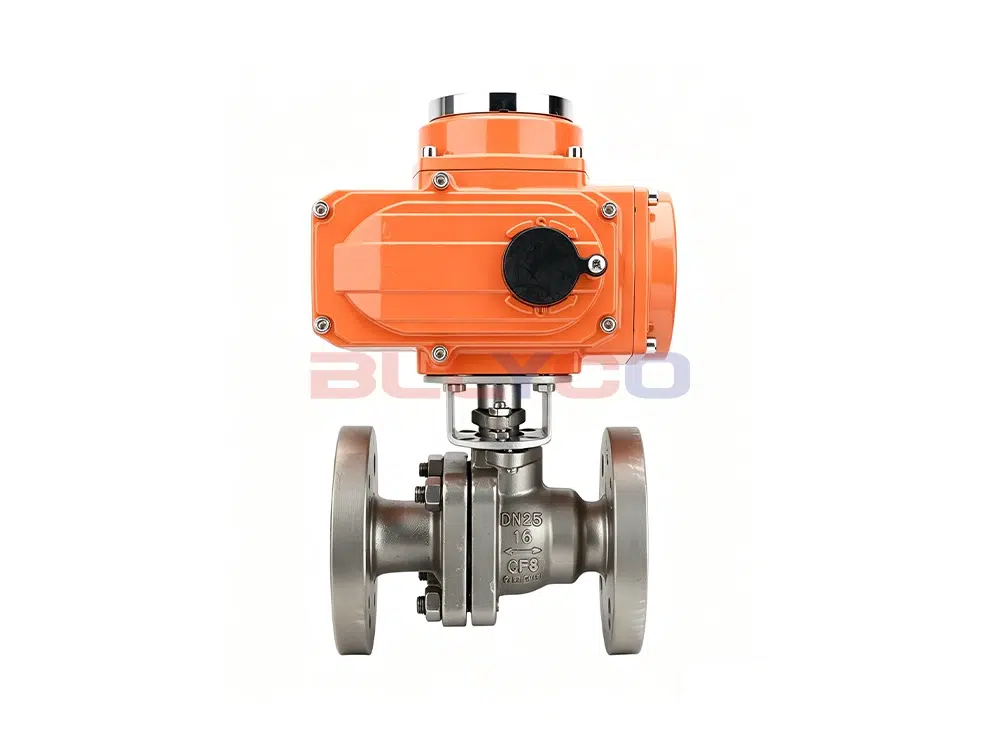
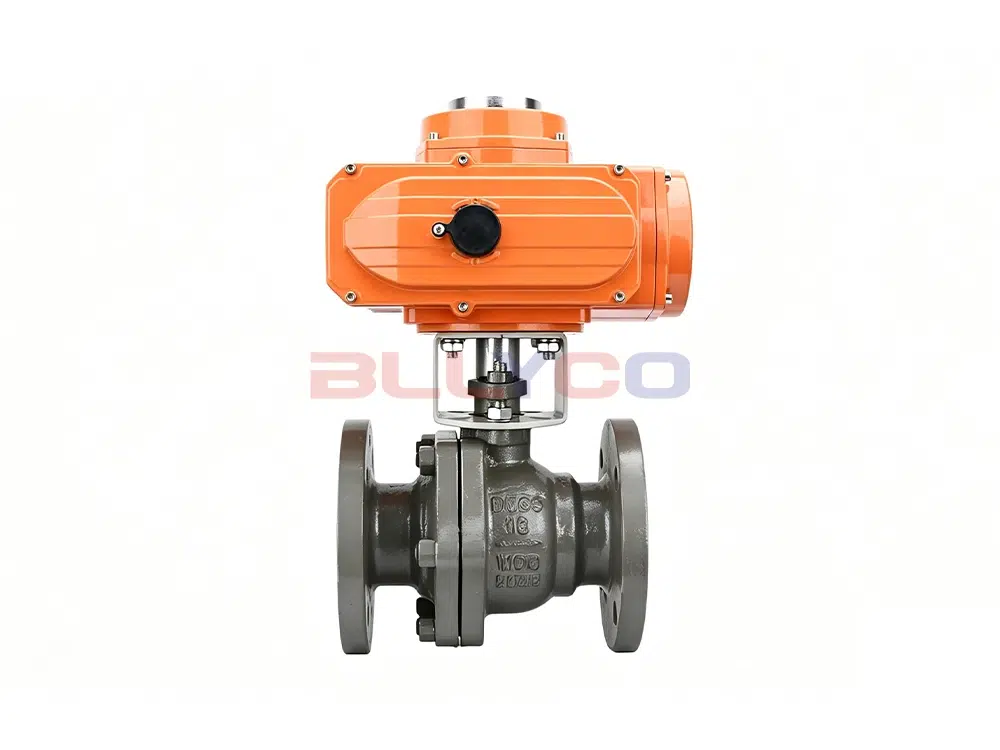
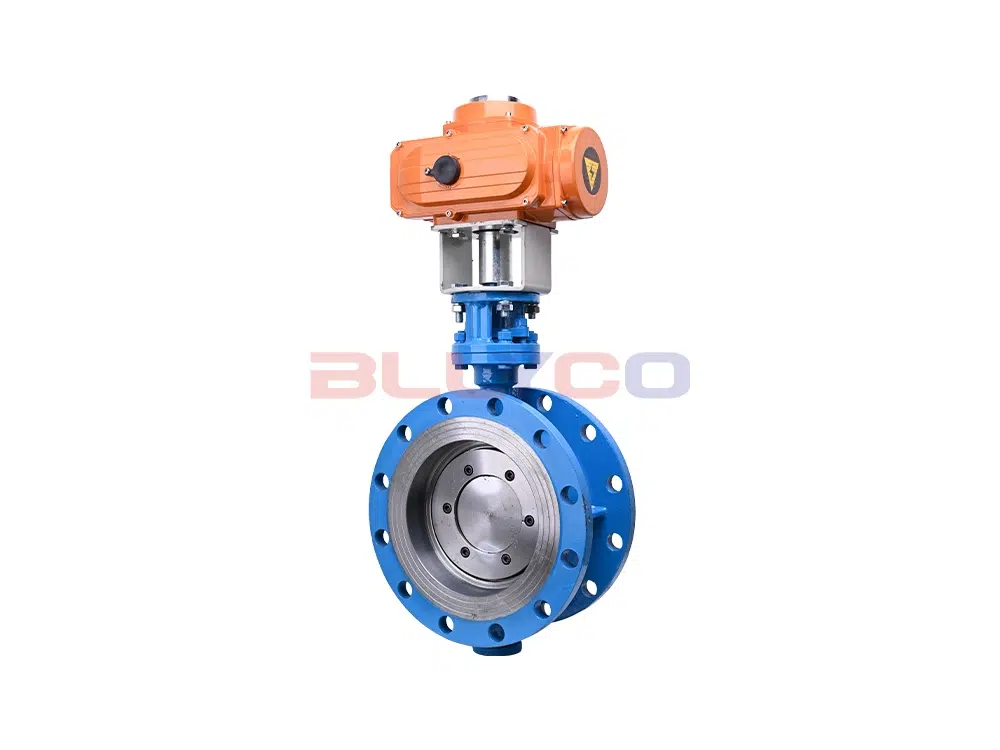
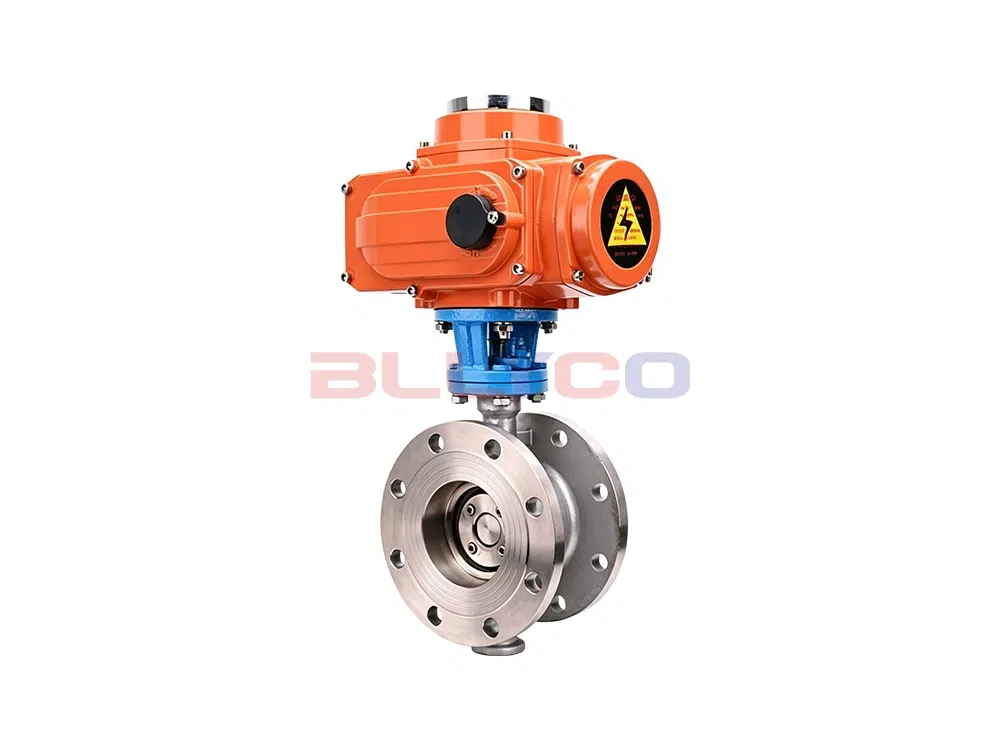
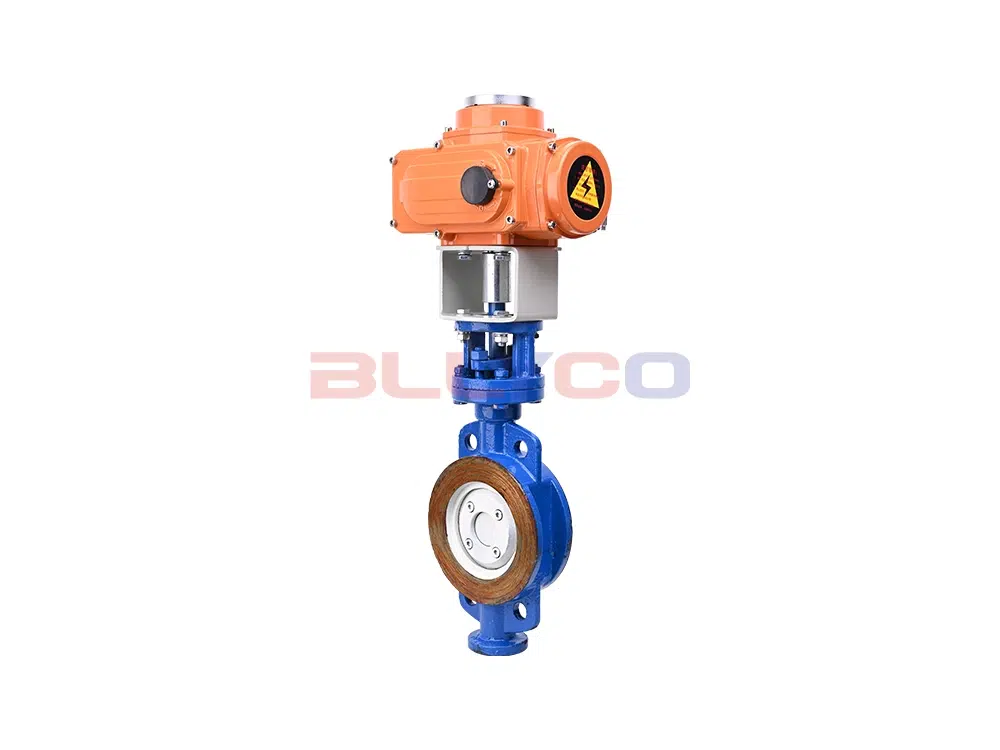
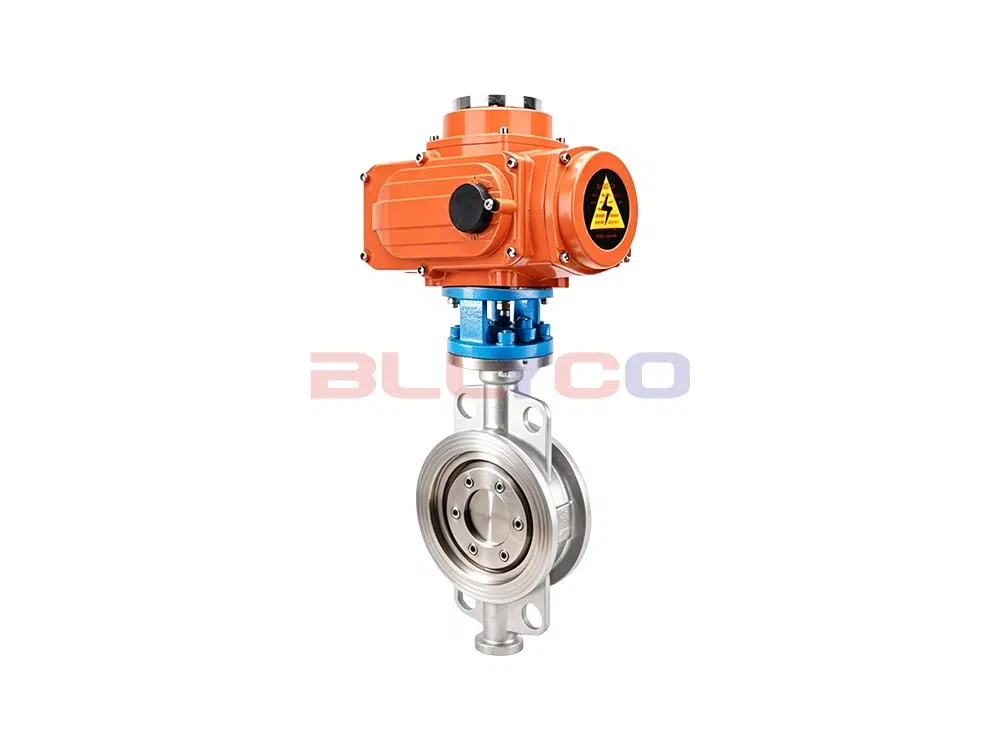
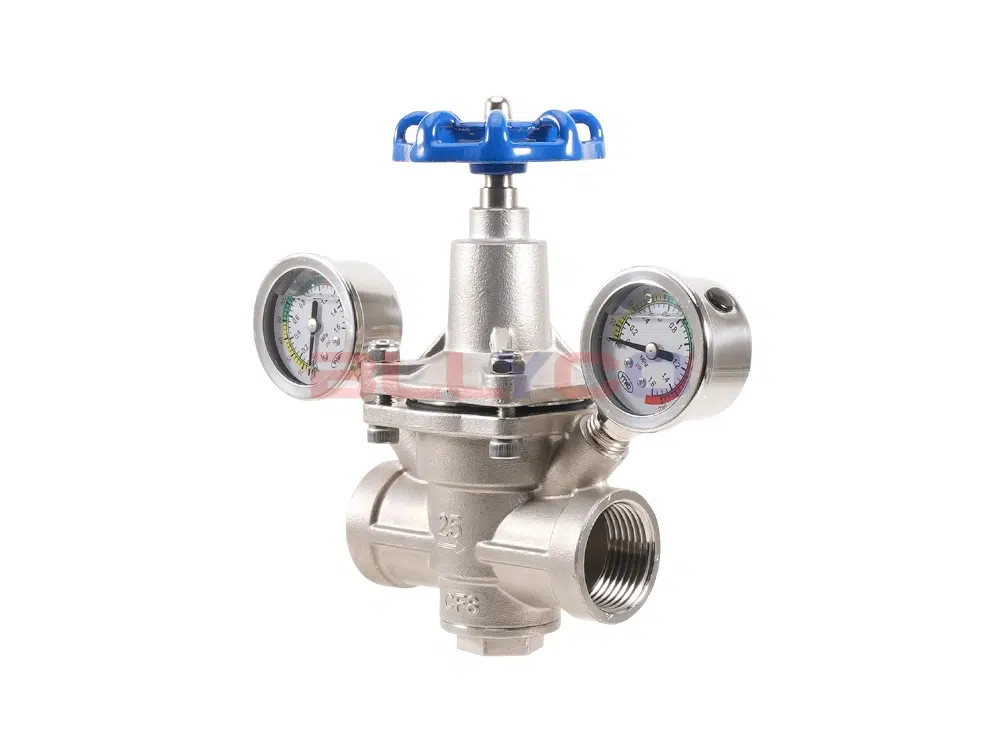
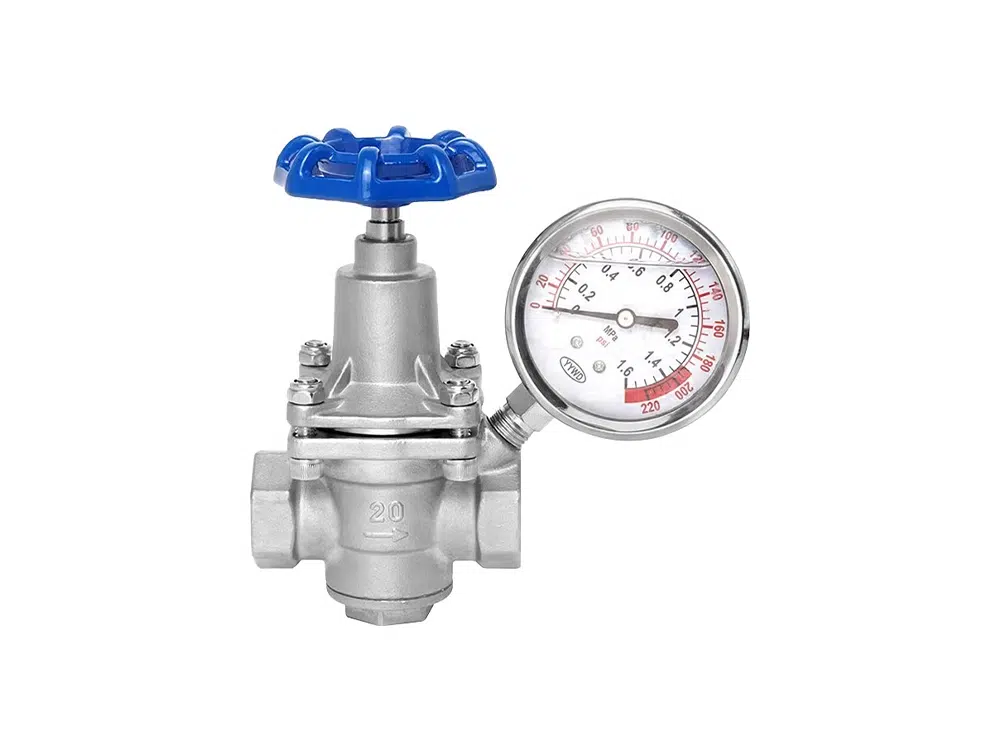
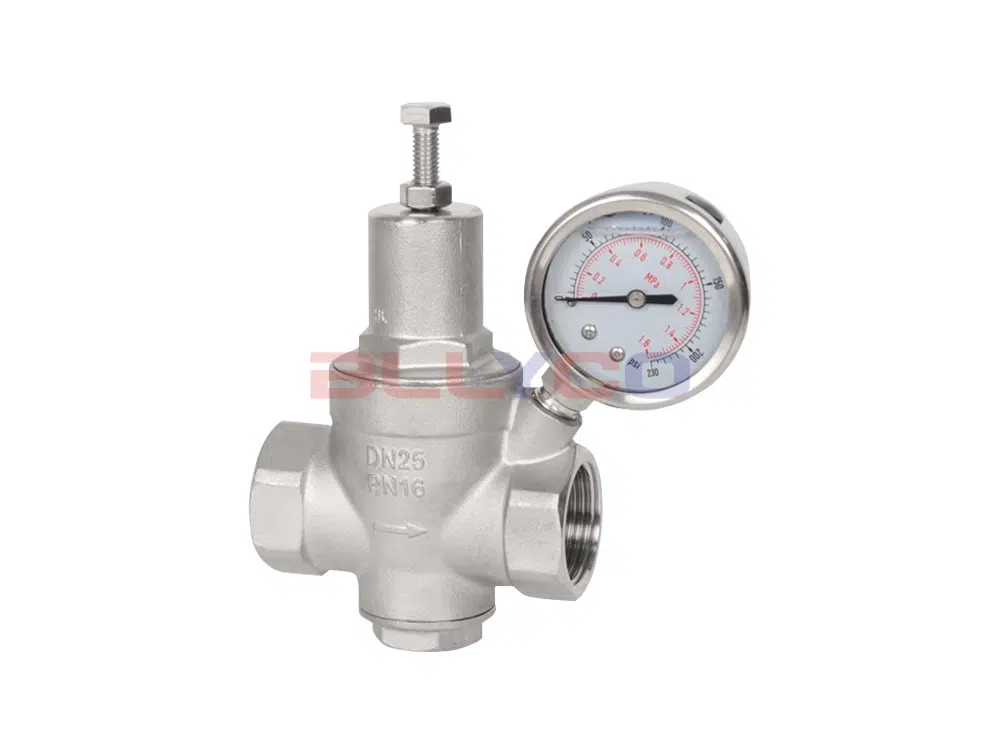
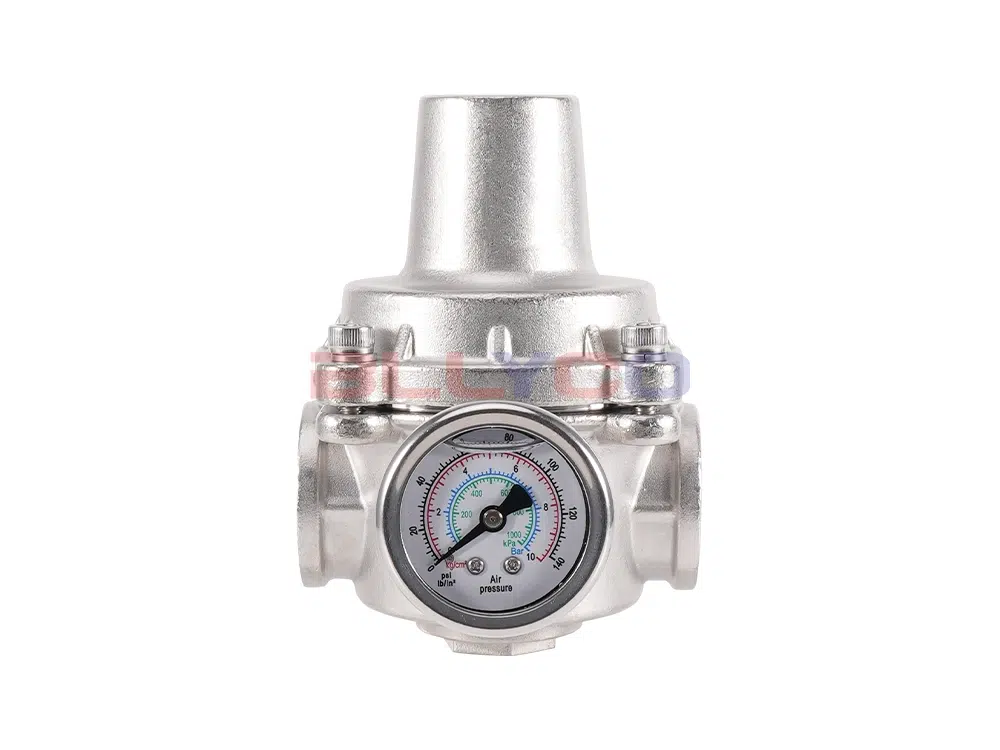
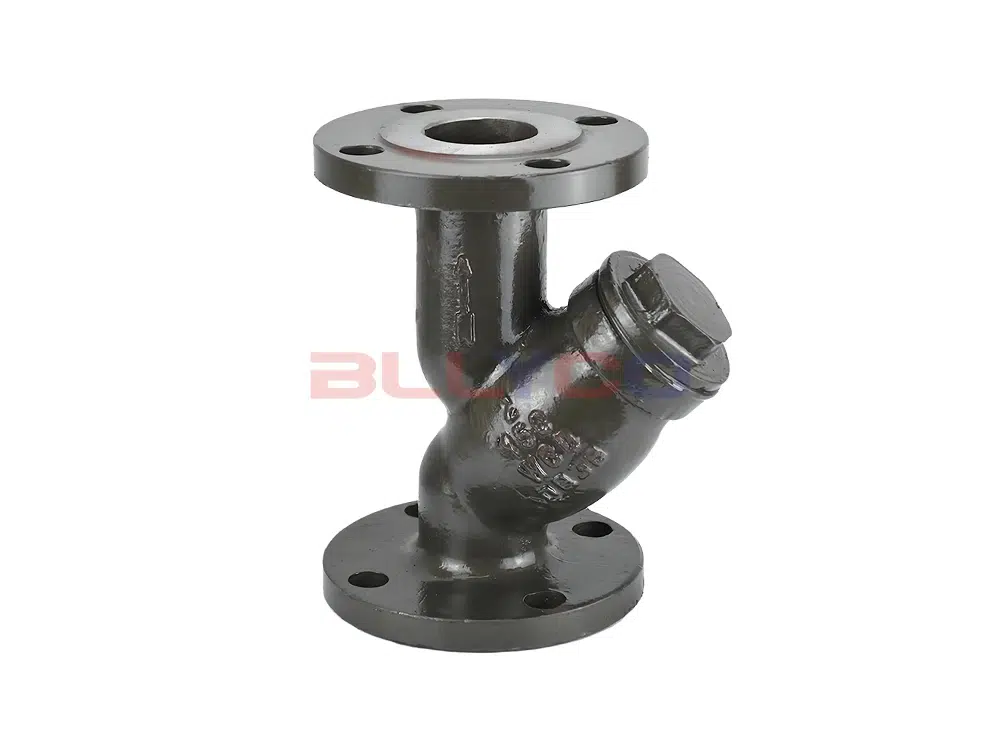
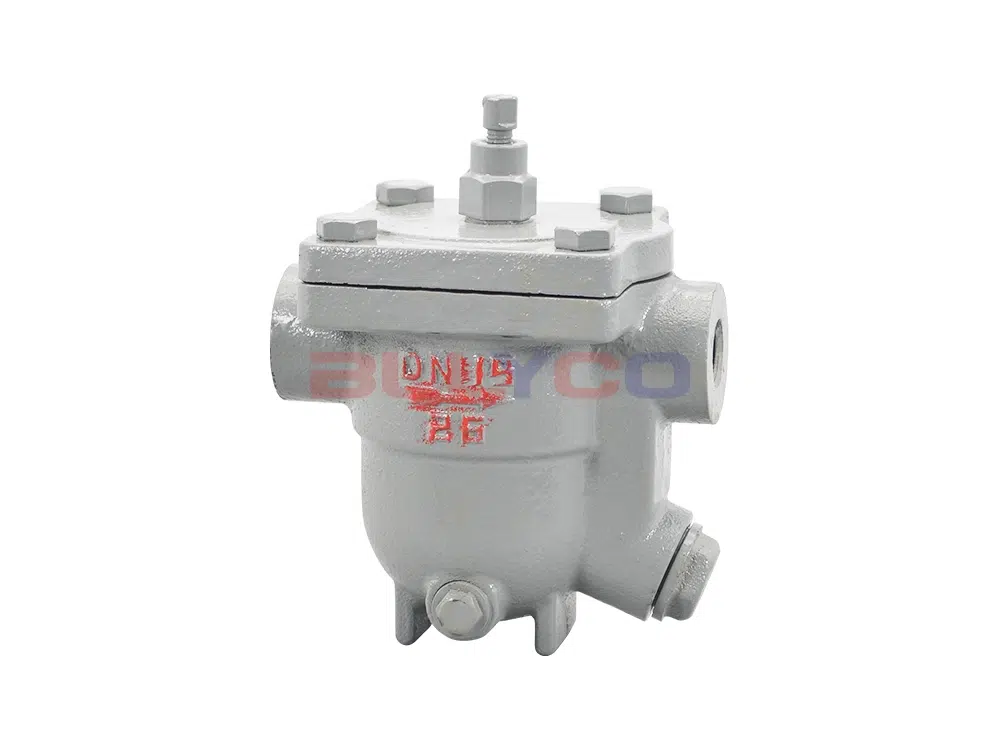
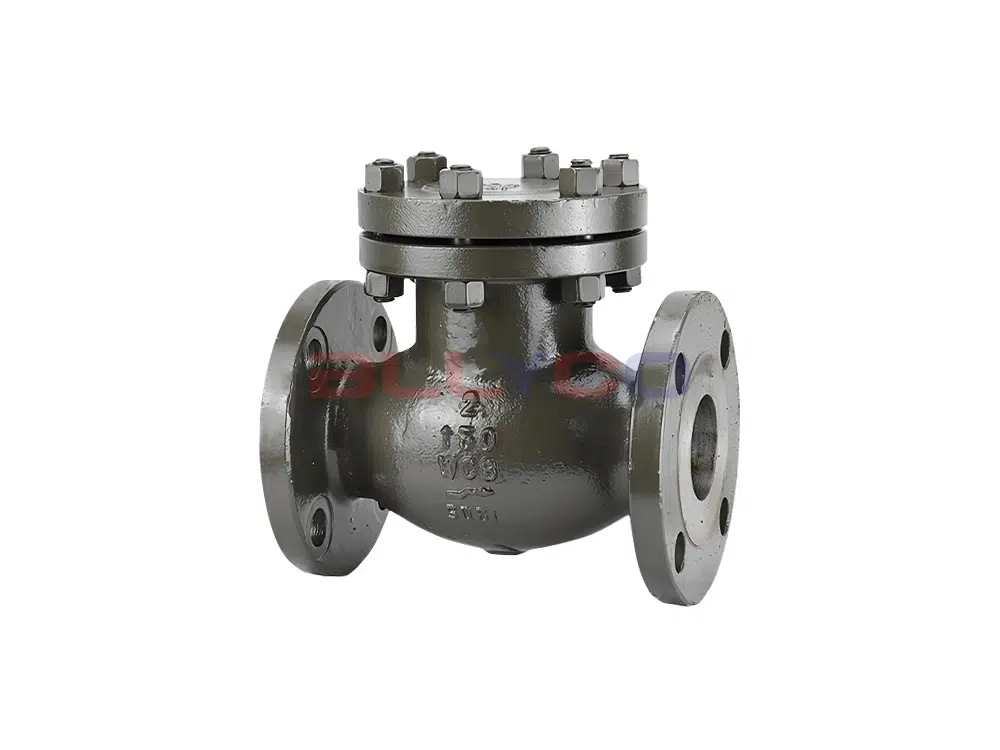
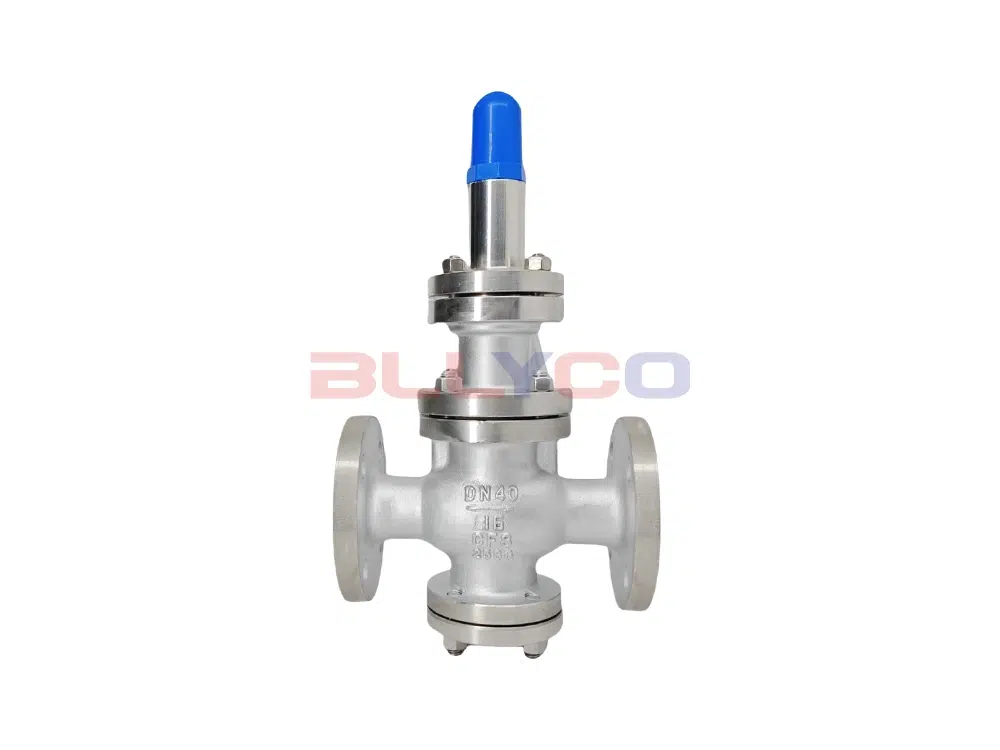
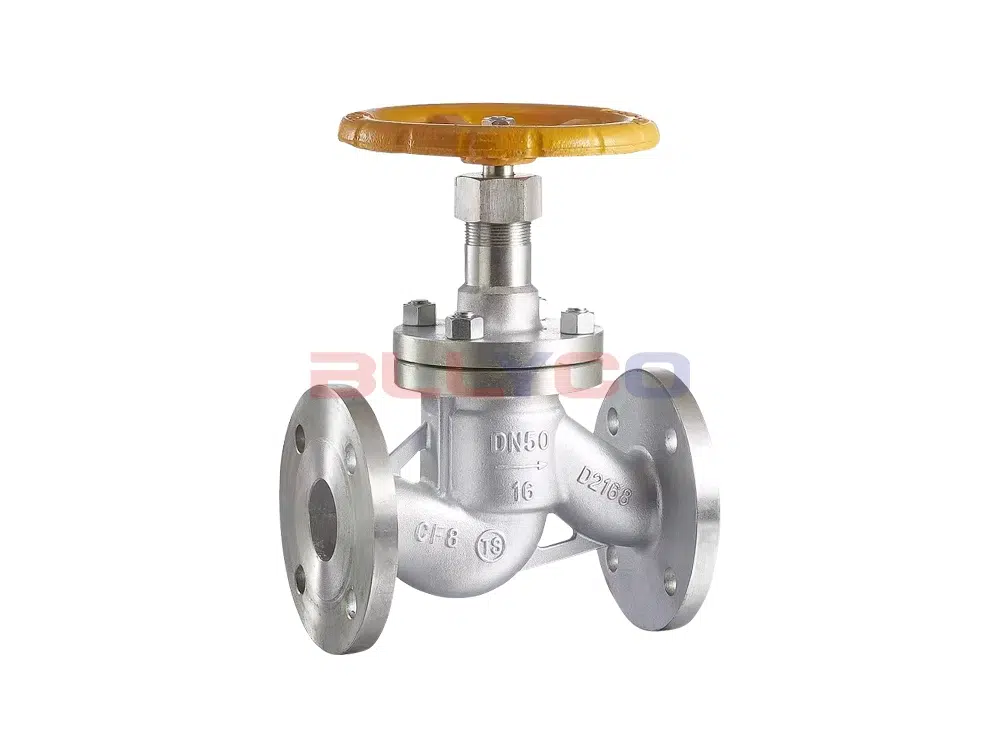
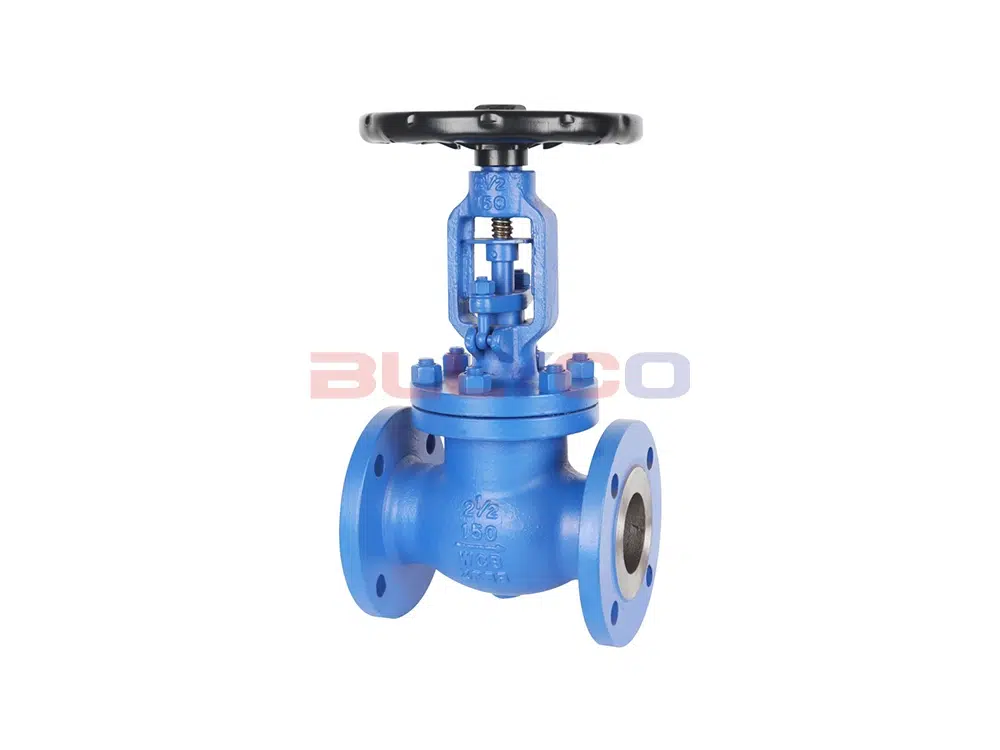
Control valve is a kind of valve to adjust the medium flow or pressure. The flow or pressure of the medium affects certain control processes, control valves are usually operated with remote signals, signals from electric, pneumatic, pneumatic-hydraulic linkage and other control mechanisms of independent devices.
Control valves are characterized by control by changing the relationship of passages in the valve or by changing the orifice overflow area.
Pressure reducing valves for liquids and gases are basically the same in principle, but the adjustment is different. Pressure reducing valves for gases cannot be used for liquids without readjustment.
The pressure characteristic of a pressure reducing valve refers to the relationship between the outlet pressure and the inlet pressure of the valve as a function of the flow rate and other parameters when the flow rate is constant under a steady flow condition.
Flow characteristics refers to the stable flow state, when the inlet pressure and other parameters remain unchanged, the outlet pressure of the pressure reducing valve as a function of flow.
Direct-acting pressure reducing valve means a pressure reducing valve that utilizes the change in outlet pressure to directly control the movement of the valve flap.
Pilot Operated Pressure Reducing Valve means a pressure reducing valve that consists of a main valve and a pilot valve, and the change of outlet pressure is amplified by the pilot valve to control the action of the main valve.
Pressure reducing valve, that is, through the opening and closing parts of the throttle will be the inlet pressure to a certain need for the outlet pressure, and can be in the inlet pressure and flow rate changes, the use of its own medium energy to maintain the outlet pressure of the basic unchanged valve.
The purpose of using a pressure reducing valve is to keep the outlet pressure essentially stable.
Direct load safety valve refers to a safety valve that directly uses a mechanical load such as a hammer, lever weight or spring to overcome the force generated by the pressure of the medium under the valve flap.
Pilot Operated Safety Valve means a safety valve that is actuated or controlled by the discharge of media from a pilot valve. The pilot valve itself shall be a direct-load safety valve conforming to the requirements of the standard.
Spring safety valves with different pressures have springs that must be replaced.
Generally PN16 spring loaded safety valves should be matched with 5 springs.
The pressure range is specified as follows: 0 MPa~0.3 MPa; 0.3 MPa~0.6 MPa; 0.6 MPa~0.9 MPa; 0.9 MPa~1.2 MPa; 1.2 MPa~1.6 MPa.
Frequent tripping of the safety valve refers to the rapid and abnormal back and forth movement of the safety valve flap, in which the flap contacts the valve seat.
Flutter refers to the rapid and abnormal back and forth movement of the safety valve flap, in which the flap does not contact the valve seat.
The theoretical displacement of the safety valve is the calculated displacement of an ideal nozzle whose cross-sectional area of the flow path is equal to the area of the safety valve flow path.
The actual displacement of the safety valve is the product of the theoretical displacement and the displacement factor.
The curtain area of a safety valve is the cylindrical or conical passage area formed between the sealing surfaces of the valve flap as it rises above the seat.
The curtain area of the safety valve should be greater than the flow path area.
The seat pressure of the safety valve is the value of the static pressure at the inlet after the safety valve is discharged and the valve flap is back in contact with the valve seat, i.e., the opening height is changed to zero.
The sealing pressure of a safety valve is the inlet pressure at which the safety valve is subjected to a sealing test, at which the leakage rate through the sealing surface of the closing member is measured.
The opening pressure of the safety valve refers to the safety valve valve flap in the operating conditions began to rise when the inlet pressure, in the pressure began to have a measurable height of the opening, the medium is a continuous discharge can be perceived by the visual or auditory state.
The discharge pressure of the safety valve is the inlet pressure when the valve flap reaches the specified opening height.
Fully open safety valve:
A safety valve is classified as a full-lift type if its disc opening height is equal to or greater than one-quarter of the seat throat diameter.
Micro-opening safety valve:
Safety valves with a valve disc opening height of 1/40 to 1/20 of the seat throat diameter are classified as lift-type safety valves.
A safety valve is an automatic valve that discharges a predetermined quantity of fluid without external force, utilizing the medium's own pressure to prevent system pressure from exceeding a predetermined safety threshold. Once pressure returns to normal, the valve closes to prevent further fluid discharge.
The load rate of a steam trap refers to the percentage of the actual heat condensate discharge volume during the test period relative to the maximum heat condensate discharge volume at the test pressure.
The operating temperature of a steam trap refers to the temperature at the inlet end of the steam trap under working conditions.
The back pressure of a steam trap refers to the pressure at the outlet end of the steam trap under operating conditions.
The back pressure tolerance of a steam trap should be as high as possible.
The higher the back pressure tolerance, the higher the pressure allowed at the outlet end of the steam trap during actual operation. In other words, steam traps with higher back pressure tolerance are more suitable for high back pressure working conditions.
The absolute value of the difference between the condensate temperature and the saturation temperature at the corresponding pressure is the degree of subcooling.
The valve opening subcooling refers to the absolute value of the difference between the valve opening temperature and the saturation temperature at the corresponding pressure.
Shut-off supercooling refers to the absolute value of the difference between the shut-off temperature and the saturation temperature at the corresponding pressure.
The subcooling at valve opening is greater than the subcooling at valve closing.
The pressure measured relative to atmospheric pressure (set as zero) is called gauge pressure.
Absolute pressure is measured relative to absolute vacuum pressure (defined as 0).
Absolute pressure is the sum of gauge pressure and atmospheric pressure.
Gauge pressure is the difference between absolute pressure and atmospheric pressure.
Sensible heat:
The increase or decrease in heat does not alter the state of matter but merely causes a change in temperature. This type of heat is called sensible heat.
Latent heat:
During a phase transition, the temperature remains constant while the state of matter changes. The heat absorbed or released by the substance at this time is called latent heat.

Specialized in the development and production of fluid control valves
Our leading production:ball valves, butterfly valves, gate valves, globe valves, check valves, filters, water control valves, pressure reducing valves, balancing valves, regulating valves, pneumatic valves, electric valves, and other high, medium and low pressure valves.