











What is the steam leakage rate of a steam trap? Why is the steam leakage rate used to evaluate the performance of a steam trap?
Date: 2025-12-31Views: 2011
The steam leakage rate of steam traps is categorized into load leakage rate and no-load leakage rate.
The steam leakage rate under load refers to the ratio of steam leakage volume under load to the actual condensate discharge volume during the test period.
Unloaded steam leakage rate:
The no-load steam leakage rate refers to the ratio of no-load steam leakage volume to the maximum condensate discharge volume at the corresponding pressure.
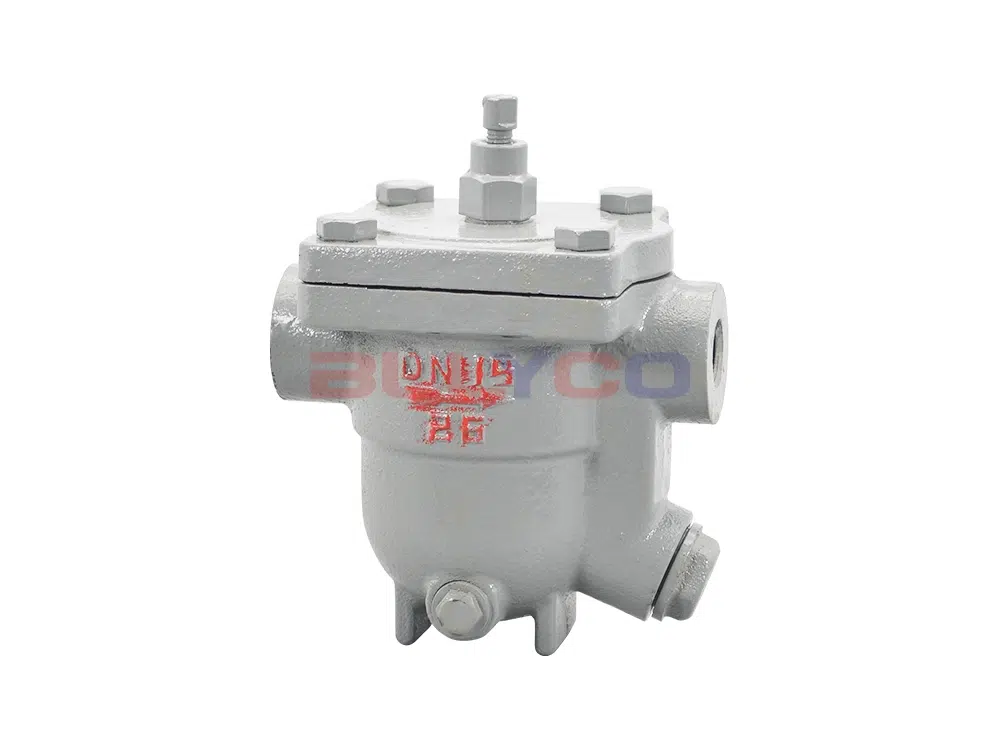
The primary function of a steam trap is to promptly discharge condensate from steam heating equipment or steam piping systems while preventing steam leakage. This enhances the efficiency of steam-using equipment and achieves energy conservation. Therefore, the key indicators for evaluating a steam trap's performance should be its drainage capacity and steam-blocking capability. Based on the definition of steam leakage rate, the magnitude of a steam trap's leakage rate comprehensively reflects the quality of its drainage and steam-blocking performance.